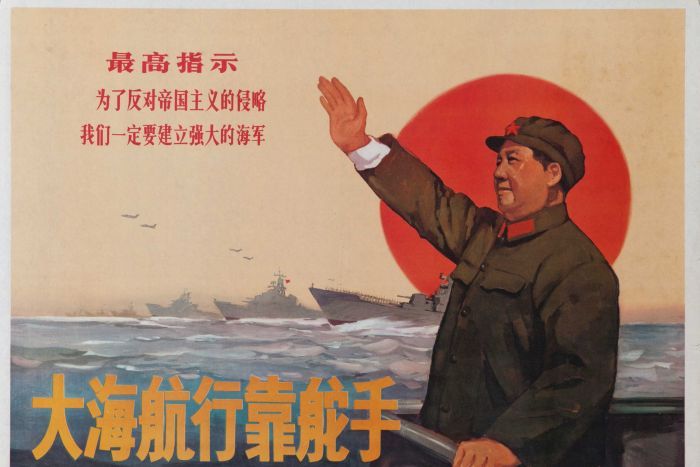
The Chinese conception of music In 1966, Mao Zedong decided to launch the cultural revolution in order to consolidate his power by relying on the country's youth. The leader wants to purge the Chinese Communist Party (CCP) of its "revisionist" elements and limit the powers of the bureaucracy. The "Red Guards", groups of young Chinese … Lire la suite Differences in the conception of music under Mao and Stalin.
Conclusion
The commonalities that we can find between the two regimes and their attitudes to music and art in a broader sense is the exigence by which they wished to appeal to the masses. Under Mao and Stalin, music had to be universal and to appeal to the people. It should reflect the work and behaviour … Lire la suite Conclusion
Introduction – A comparative analysis of music as a powerful tool at the service of ideologies
“Musical innovation is full of danger to the State, for when modes of music change, the fundamental laws of the State always change with them.” Plato Innovation is inherent to the process of creating music and has brought us different forms of music throughout the ages. According to Plato, this process of innovation actually impacts … Lire la suite Introduction – A comparative analysis of music as a powerful tool at the service of ideologies
Patriotic Music, the Cleavage Between International Ideology and National Sentiment
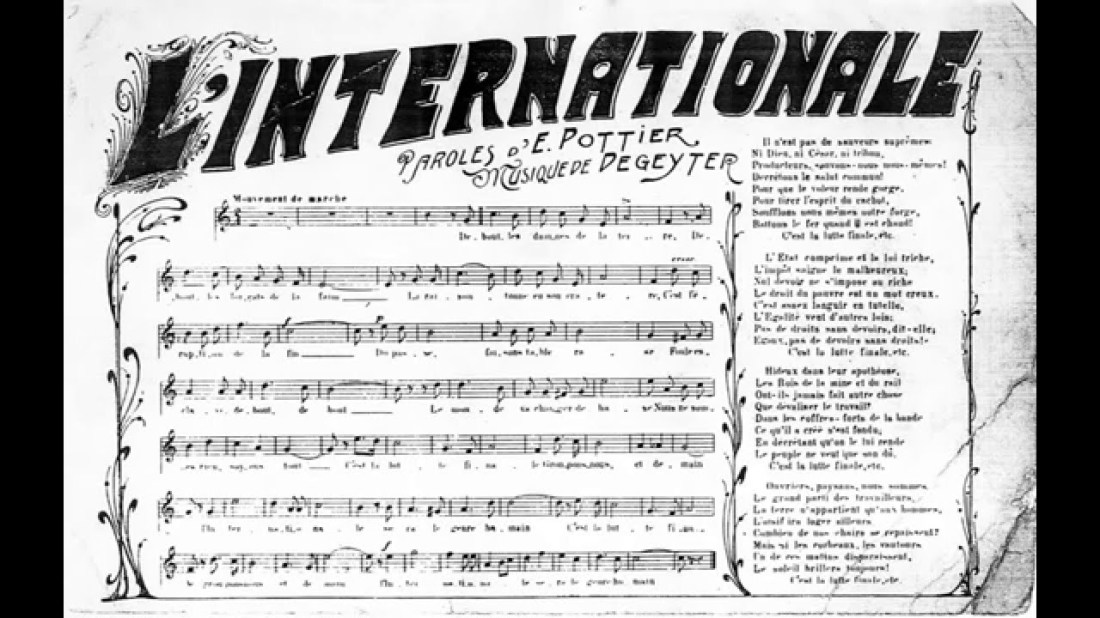
1864 marked an important date in the history of music as related to the communist ideological struggle. St. Martin's Hall held a meeting of the First International, an international organisation attempting to unite working class individuals under the pretext of class struggle as defined in socialist and communist thought. As the organisation and its members … Lire la suite Patriotic Music, the Cleavage Between International Ideology and National Sentiment
The Quest for a New Music Aesthetic
Under Mao as under Stalin, the will to shape music so as to convey ideologies and appeal to the masses was a central issue. The creation of such a new aesthetic required the implementation of bans on previous forms of music such as traditional music and classical Western music in China or religious music in … Lire la suite The Quest for a New Music Aesthetic